
10 Pillars of Modern Embedded: Pillar 8–Security

Security is not a feature, it is a framework. You build your system around this framework. Every design decision, every architectural component, every path on the PCB and every line of code should consider this. Modern systems need to put it front and center.
10 Pillars of Modern Embedded: Pillar 7 Emergent, Intentional Architecture

Good architecture is both craft and science. There are a variety of patterns and techniques that encourage building code that is malleable, reliable, and maintainable. The architecture emerges as you apply these and learn more about the system. It breaks things down into small cohesive elements that express intention about what they do.
Upgrading Your Control System: Replacing your existing PLC with Arduino OPTA
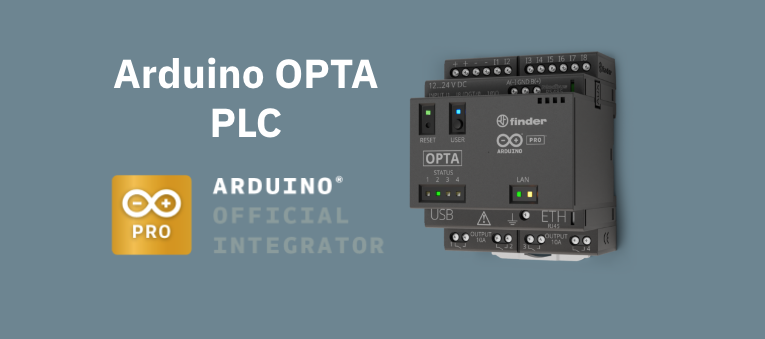
Replacing your current PLC with an Arduino OPTA can be a cost-effective and efficient choice for many industrial automation applications. The benefits of affordability, flexibility, and a supportive community make it an appealing option.
Modern Embedded Firmware Development Practices in the Warehouse Automation Industry

This blog explores the multifaceted realm of modern embedded firmware development, as well as the innovative testing practices that help identify and mitigate bugs early in the process, leading to cost savings and more robust systems.
A Long Way From Home

Over The Air updates (OTA) takes advantage of modern connectivity for devices. Even for devices that aren’t normally connected to communication networks, it’s often possible to connect them to a computer or mobile device that is connected to the network and update them. It’s also become a common part of modern embedded development and release strategy.
10 Pillars of Modern Embedded: Pillar 6 Effective Requirements

Effective Requirements is Pillar 6 of the Dojo Five Modern Embedded development practices. Project goals and requirements clearly defined, documented, and prioritized with traceability through verification and validation. The set […]
Finding Zen in Your Embedded Development: How Dojo Five and Boundary Devices Speed You To Market

Rapid hardware customization and production meets DevOps tailor-made for embedded development that leads to working solutions in weeks, not months – a winning combination for OEMs. Now more than ever, […]
10 Pillars of Modern Embedded: Pillar 5–Human Centered Project Management

Pillar 5 of the Dojo Five Modern Embedded development practices is Human-Centered Project Management: Expectations and risk management processes that value humans and their interactions as key to innovation. We […]
10 Pillars of Modern Embedded. Pillar 4: Effective Testing

Testing needs to be appropriate, effective, and evolve with the project.
That means it needs to verify the appropriate things, meeting the business goals and needs through a multifaceted testing strategy. It needs to be effective, minimizing the likelihood of bugs while minimizing the time spent on testing. It needs to evolve as the project changes and not grow uncontrollably.
10 Pillars of Modern Embedded. Pillar 3: Automated

Firmware development teams can eliminate tedious tasks, reduce (human) errors, and enforce standards easily–all while improving the quality, reliability and cost of the product. By identifying common errors early, automation allows frequent testing and, when ready, efficient deployment to production.
10 Pillars of Modern Embedded. Pillar 2: Managed Environments

Utilizing a managed environment fosters collaboration and creates stability, reliability, consistency and success in our software development projects. It further allows us to effectively manage and maintain the software environments throughout the development life cycle.
10 Pillars of Modern Embedded. Pillar 1: One Source

Ultimately, having unified control, effective versioning, and traceability of firmware artifacts is paramount in creating high-quality and reliable embedded products. With a single source in place, organizations can ensure their development processes are running optimally for maximum efficiency and effectiveness.